Spokane Valley:
(509) 228-3834


Baby Teeth Care in Airway Heights, WA
Most parents assume baby teeth are temporary and unimportant. After all, they fall out anyway — right? The truth is far more surprising. Understanding why your child’s baby teeth are secretly shaping their future in Airway Heights could change how you approach dental care starting today.
Baby teeth do much more than help your child chew food. They guide speech development, hold space for adult teeth, and even build early confidence. Dr. Amy Cochran at Dr. C Kids Dentistry – Airway Heights sees the long-term effects of early dental health every single day. What happens in those early years truly matters.
Baby Teeth in Airway Heights: More Than Just Placeholders
Many parents in Airway Heights, WA think of baby teeth as temporary fillers. That view misses something critical. Baby teeth serve as natural guides that direct adult teeth into the correct positions.
When a baby tooth is lost too early — due to decay or injury — the surrounding teeth can shift. That shifting closes the space meant for the incoming adult tooth. The result is often crowding, misalignment, and the need for future orthodontic treatment.
Here is what healthy baby teeth actively do for your child:
- Reserve space for permanent teeth to erupt properly
- Maintain the correct arch shape of your child’s jaw
- Support proper jaw bone development in early childhood
- Prevent neighboring teeth from drifting out of position
Losing a baby tooth too soon is not harmless. It can set off a chain reaction that affects your child’s smile for years.
How Baby Teeth Shape Speech and Language Development
Speech development depends heavily on the presence of baby teeth. Children use their teeth to form sounds like s, th, f, and v. Without those teeth in place, those sounds become difficult to produce correctly.
Early tooth loss can create speech delays that are hard to reverse. Speech therapists often work alongside pediatric dentists for exactly this reason. The connection between oral health and language skills is well established.
Dr. Amy Cochran often reminds families that a healthy mouth supports healthy communication. Children who struggle to speak clearly may also struggle socially. Protecting baby teeth protects more than a smile — it protects your child’s voice.
Parents in Airway Heights should pay attention to how their child speaks as new teeth emerge. Lisps and unusual speech patterns sometimes trace back to dental issues. Early evaluation can make a meaningful difference in outcomes.
Chewing, Nutrition, and the Role of Healthy Baby Teeth
Chewing properly requires a full, healthy set of baby teeth. When teeth are missing or damaged, children avoid certain textures and foods. That avoidance can limit nutrition during the most critical growth years.
Children with untreated tooth decay often experience pain while eating. Pain causes them to chew only on one side or avoid hard foods entirely. Over time, this creates uneven jaw muscle development and poor dietary habits.
Consider what a child needs healthy teeth to eat well:
- Crunchy vegetables like carrots and celery
- Lean proteins that require strong chewing
- Whole grains and fibrous foods that support gut health
- Fruits with natural textures that stimulate jaw growth
Good nutrition in early childhood fuels brain development, immune function, and energy. Baby teeth are literally the gateway to that nutrition. Keeping them healthy keeps your child growing strong.
Self-Confidence and the Social Impact of a Healthy Smile
Children notice each other’s teeth earlier than most adults expect. A child with visible decay, missing teeth, or dental pain may feel self-conscious. That self-consciousness can affect friendships, classroom participation, and overall happiness.
Smiling freely is an act of confidence. Children who hide their teeth often withdraw socially. They may avoid answering questions in class or stay quiet at lunch. The emotional toll of poor dental health is real and often underestimated.
At Dr. C Kids Dentistry – Airway Heights, Dr. Amy Cochran treats the whole child — not just the teeth. A bright, healthy smile gives children the confidence to engage fully with the world. That confidence starts with care that begins early.
Parents who invest in their child’s dental health now are investing in their child’s emotional well-being too. A healthy smile at age five can mean a confident teenager at fifteen.
When to Start Dental Visits and What to Expect in Airway Heights
The American Academy of Pediatric Dentistry recommends a child’s first dental visit by their first birthday. Many Airway Heights families wait longer — and that delay can allow early decay to go undetected. Early visits establish healthy habits and catch problems before they grow.
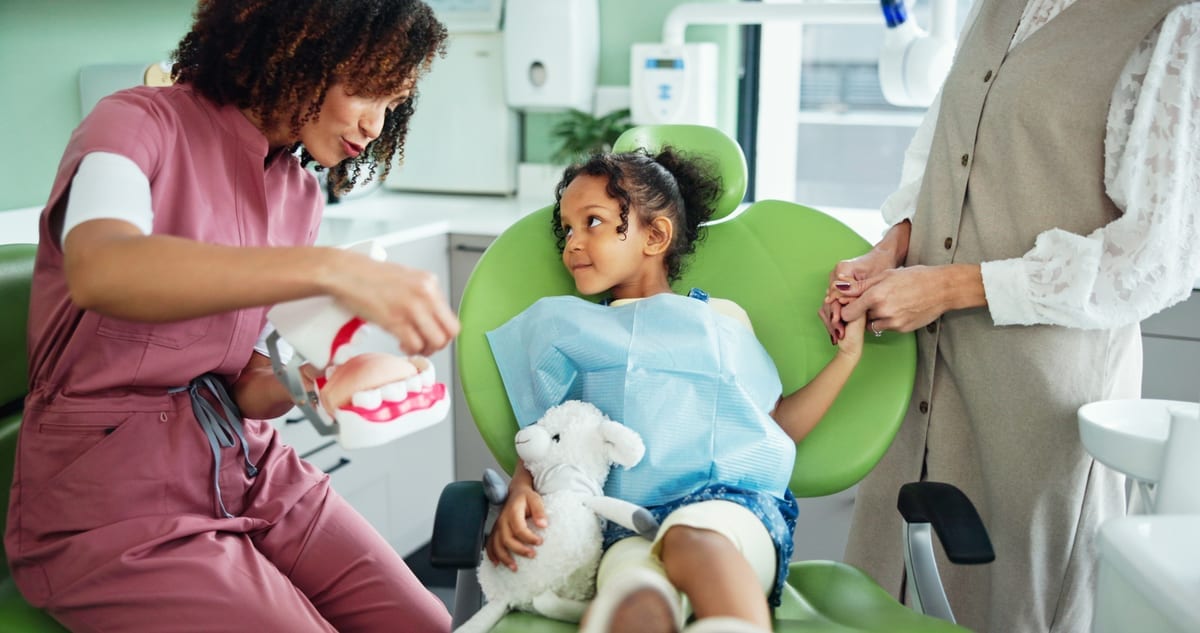
At Dr. C Kids Dentistry, early visits are gentle, educational, and designed to build trust. Dr. Amy Cochran creates a calm environment that children feel safe in. That positive experience shapes how children feel about dental care for life.
As your child grows, monitoring bite alignment becomes increasingly important. Asking about Ortho Evaluations early allows the care team to spot alignment concerns before they require major intervention. Catching these issues young means simpler, less costly solutions.
New to the practice? Check out the Dental Promotions And Special Offers In Spokane Valley Wa page for helpful resources available to new patients and families in the area.
Conclusion: Protect Those Baby Teeth Starting Today
Baby teeth are not just temporary. They are the foundation of your child’s future smile, speech, nutrition, and confidence. Every cavity prevented and every early visit made is an investment in your child’s long-term health and happiness.
Dr. Amy Cochran and the team at Dr. C Kids Dentistry – Airway Heights are here to guide your family every step of the way. You do not have to navigate pediatric dental health alone. Expert, compassionate care is right here in your community.
Give your child the strong foundation they deserve. Book Now to schedule your appointment with our team.
Frequently Asked Questions
When should my child have their first dental visit?
Your child’s first dental visit should happen by their first birthday or within six months of their first tooth appearing. Early visits help identify any developmental concerns and establish a comfortable dental routine from the start.
Do cavities in baby teeth really matter if they fall out anyway?
Yes, they absolutely matter. Cavities in baby teeth can cause pain, infection, and early tooth loss. Losing a baby tooth too soon can cause surrounding teeth to shift, crowding out the permanent tooth that needs that space.
How do baby teeth affect my child’s speech development?
Baby teeth help children form key sounds like s, th, f, and v. Missing or damaged front teeth can lead to lisps or difficulty pronouncing certain words. Early dental care supports clear speech development during the critical early years.
What is an ortho evaluation and when should my child have one?
An ortho evaluation assesses your child’s bite, jaw alignment, and tooth spacing. Dr. Amy Cochran recommends early evaluations to catch alignment issues before they become complex. Identifying concerns early often leads to simpler and more effective treatment.
How can I help my child maintain healthy baby teeth at home?
Brush your child’s teeth twice a day with a soft-bristled toothbrush and a small amount of fluoride toothpaste. Limit sugary snacks and drinks, especially before bedtime. Regular dental visits every six months give the care team a chance to catch any concerns early.