Spokane Valley:
(509) 228-3834


Orthodontic Emergencies: What to Do When the Unexpected Happens
Orthodontic treatment is a transformative journey towards a beautiful and healthy smile, but occasionally, unexpected situations may arise. Knowing how to handle orthodontic emergencies can make a significant difference in maintaining the progress of your treatment and preventing further complications. In this guide, we’ll explore common orthodontic emergencies and provide practical steps on what to do in each situation.
Types of Orthodontic Emergencies
1. Loose or Broken Brackets
One of the most common orthodontic emergencies is a loose or broken bracket. This can occur due to various reasons, such as eating hard or sticky foods. If you notice a loose bracket, follow these steps:
Step 1: Assess the situation. If the bracket is still attached to the wire but loose, leave it in place.
Step 2: If the bracket has come completely off, place it in a small container and bring it to your orthodontist during your next appointment.
Step 3: Use orthodontic wax to secure the loose bracket in place temporarily. This will help prevent irritation and discomfort.
Step 4: Contact your orthodontist to schedule a repair appointment.
2. Poking or Irritating Wires
Sometimes, orthodontic wires can shift and start poking the inside of your cheeks or tongue. If this happens:
Step 1: Use the eraser end of a pencil or the back of a spoon to gently push the protruding wire back into place.
Step 2: If the wire continues to cause irritation, cover the end with orthodontic wax to create a barrier between the wire and your soft tissues.
Step 3: Schedule an appointment with your orthodontist for a more permanent solution.
3. Lost or Broken Ligatures (Elastics)
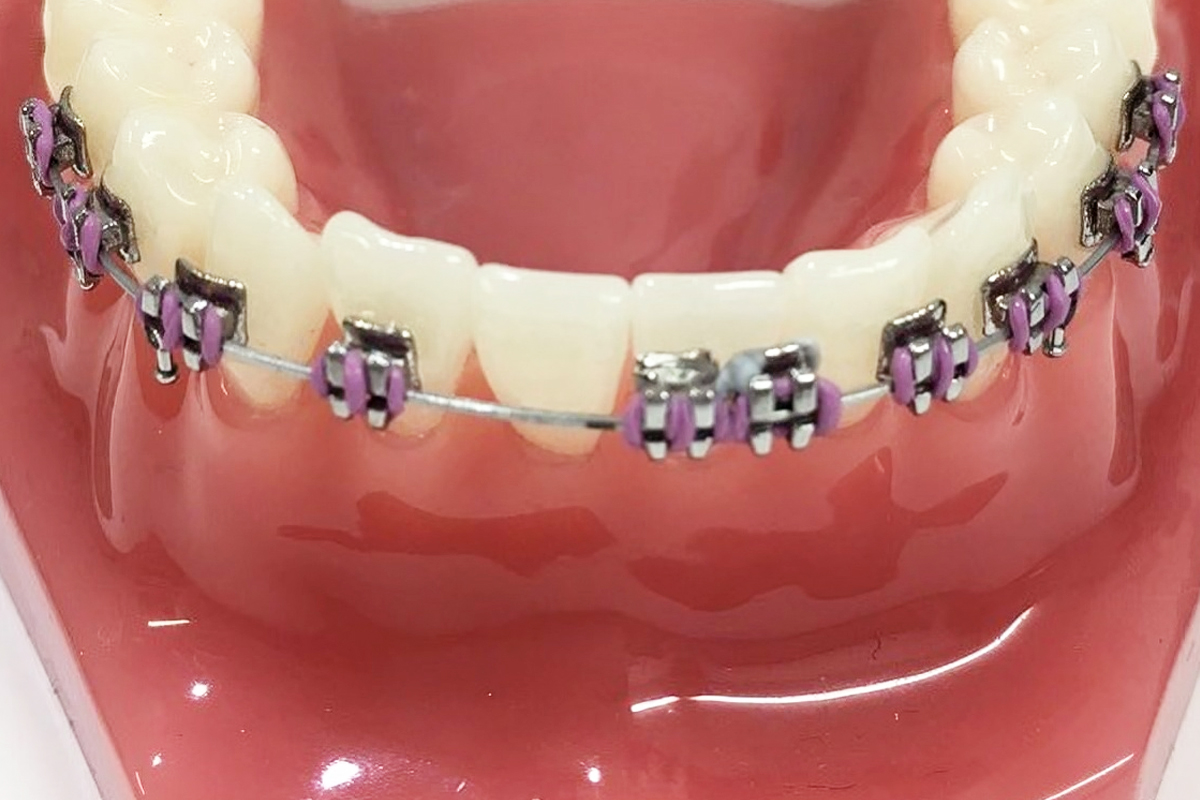
Ligatures are the small rubber bands that hold the archwire to the brackets. If a ligature comes off or breaks:
Step 1: If the ligature is still attached but loose, you can try to reposition it using tweezers.
Step 2: If the ligature is lost, contact your orthodontist for guidance. They may provide instructions on what to do next or schedule an appointment for replacement.
What Not to Do
While it’s essential to take action during orthodontic emergencies in Cumming, there are certain things you should avoid to prevent further damage:
- Do not try to fix the issue with DIY methods: Using tools or materials at home may cause more harm than good. Always consult your orthodontist before attempting any self-repairs.
- Avoid delaying communication with your orthodontist: Even if the issue seems minor, it’s crucial to inform your orthodontist promptly. They can provide guidance on whether immediate attention is needed.
- Don’t ignore persistent discomfort: If you experience ongoing pain or irritation, don’t wait until your next scheduled appointment. Reach out to your orthodontist for advice.
Conclusion
Orthodontic emergencies in Cumming can be unsettling, but with the right knowledge and prompt action, you can navigate these situations effectively. Remember that your orthodontist is your ally in achieving a beautiful smile, and they are there to help you through any unexpected challenges. Regular check-ups and open communication will contribute to a successful orthodontic journey, ensuring that you emerge with the confident and healthy smile you’ve been working towards. If in doubt, always consult your orthodontic professional for personalized guidance tailored to your specific situation.