Spokane Valley:
(509) 228-3834



Why Choose Tooth-Colored Fillings for Your Cavities?
Cavities are often filled with dental fillings, and choosing the proper kind is important for both functionality and aesthetics. Among the various options available, tooth-colored fillings have gained popularity for their aesthetic benefits and modern technology.
Tooth-colored fillings are a desirable option, particularly for conspicuous regions, since they blend in smoothly with your natural teeth as opposed to standard metal fillings.
This blog will explore the reasons why tooth-colored fillings might be the best option for your dental needs, focusing on their benefits, applications, and procedures.
What Are Tooth-Colored Fillings?
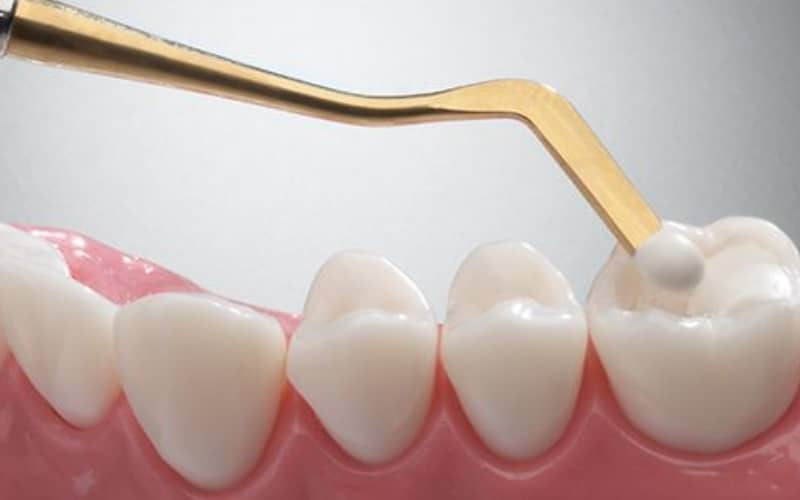
Tooth-colored fillings are restorative materials used to repair cavities while matching the natural color of your teeth. They are a popular option for people who are worried about the appearance of their dental work since they are made to fit in perfectly with your natural teeth.
The primary types of tooth-colored fillings are composite resins and glass ionomers. Composite resins are a blend of plastic and fine glass particles that provide a durable, natural-looking repair. These are often used for fillings in visible areas due to their excellent aesthetic qualities.
Conversely, glass ionomers emit fluoride, which can help shield the tooth from more decay. They are generally used in areas less visible but still need repair.
Compared to traditional metal fillings, such as amalgam, tooth-colored fillings offer several advantages. Metal fillings can be noticeable and may even cause a darkening of the surrounding tooth structure.
Furthermore, metal fillings frequently expand and contract in response to temperature fluctuations, which can cause tooth fissures. Tooth-colored fillings, however, adhere directly to the tooth structure, which reduces the risk of cracks and provides a more natural look.
Benefits of Tooth-Colored Fillings
Aesthetic Appeal:
Natural teeth and tooth-colored fillings are meant to go along well. This makes them an ideal choice for fillings in the front teeth or other visible areas. Unlike metal fillings, which can be noticeable and detract from your smile, tooth-colored fillings are virtually indistinguishable from the surrounding tooth enamel.
Durability and Strength:
Advances in material technology have significantly improved the durability of tooth-colored fillings. Because they are made to resist normal wear and tear, glass ionomers and composite resins are durable options for the majority of cavities.
While metal fillings have been known for their durability, modern tooth-colored fillings are competitive in terms of longevity and wear resistance.
Bonding to Tooth Structure:
The fact that tooth-colored fillings can attach directly to the tooth structure is one of its many important advantages. This adhesive property helps in reinforcing the tooth and can be less invasive compared to metal fillings, which require more removal of the natural tooth to secure them.
Bonding also contributes to the preservation of a greater portion of the tooth’s natural structure, which is advantageous for dental health over the long run.
Reduced Sensitivity:
Tooth-colored fillings are often less abrasive to adjacent teeth compared to metal fillings. Metal fillings can sometimes cause discomfort or sensitivity due to their thermal conductivity, which can lead to temperature changes affecting the surrounding teeth.
Simultaneously, tooth-colored materials, generally offer a more comfortable experience with less sensitivity to hot or cold foods and beverages.
When to Choose Tooth-Colored Fillings?
Tooth-colored fillings are particularly well-suited for cases where aesthetics are a concern. They are ideal for small to moderate cavities, especially those located in the front teeth where appearance is critical. The natural appearance of these fillings makes them a preferred choice for individuals who want a subtle, cosmetic repair.
However, there are situations where metal fillings might still be preferable. For large cavities, especially those in the back teeth that experience heavy chewing pressure, metal fillings might be more durable and less prone to wear.
Additionally, metal fillings can be a cost-effective option for extensive dental repairs, where the longevity and strength of metal fillings outweigh the cosmetic benefits of tooth-colored ones.
The Procedure for Getting Tooth-Colored Fillings
The process for getting tooth-colored fillings Spokane Valley is relatively straightforward and involves several key steps. First, your dentist will examine the cavity and decide the best approach for treatment. They will then remove the decayed portion of the tooth, ensuring that all damaged tissue is cleaned out.
Next, the cavity is prepared for the filling. For composite resins, a special adhesive is applied to help the filling bond securely to the tooth.
The filling material is then applied in layers and shaped to match the natural contours of your tooth. Once in place, the material is hardened using a special light.
For glass ionomers, the process is similar but involves a different bonding agent. After the filling is placed, your dentist will polish the area to ensure a smooth finish. Post-procedure care typically involves maintaining good oral hygiene and avoiding very hot or cold foods for a short period.
Tooth-colored fillings offer numerous benefits, including a natural appearance, durability, and reduced sensitivity. They are an excellent choice for anyone looking to enhance their smile while maintaining optimal dental health.
If you are considering fillings and want to explore your options, consult with your dentist to determine if tooth-colored fillings are the best solution for your needs. For those seeking cosmetic and effective dental solutions, tooth-colored fillings are a choice worth considering.